Our Blog

Earth Day

April 25th, 2023

The idea for Earth Day was the brainchild of Gaylord Nelson, a senator from Wisconsin. He envisioned an Earth Day that would be a kind of environmental teach-in. The first Earth Day celebration took place on April 22, 1970, and a surprising 20 million people participated on that day. Ultimately, it became the largest organized celebration in US history.

Earth Day Over the Years

Over the years, the recognition of the day, and the number of people celebrating it all over the world, turned Earth Day into an international celebration. Because it is celebrated throughout the world, it is not only the largest international environmental observation, but it is also more widely celebrated than any other environmental event in the world. Today, Earth Day is celebrated in 175 countries where over 500 million people participate in celebrations.

The Earth Day Movement

The Earth Day movement is credited with developing the idea that people should “think green”. It encouraged congress to enact laws, including one that resulted in the creation of the Environmental Protection Agency. It also inspired the passage of the Endangered Species Act.

The Five R's and Their Importance

  • Reduce – Reduce by avoiding unnecessary purchases. Reduce your use of materials that wind up in landfills. Reduce the use of chemicals around your house. Reduce your use of disposable bags, plates, cups, eating utensils, and batteries.
  • Reuse – Instead of using plastic bags for your groceries or purchases, bring your own reusable bags. When you go to buy coffee at Starbucks, take a travel mug so you don't have to get your coffee in a disposable paper cup. Instead of storing food in disposable refrigerator containers, buy containers that can be washed and reused. Don't use regular batteries. Whenever possible, opt for rechargeable batteries that you can reuse.
  • Recycle – Most cities offer a recycling program to collect used bottles, cans, and newspapers. Recycling includes collecting recyclable materials that would otherwise be considered waste, sorting and processing recyclables into raw materials such as fibers and manufacturing raw materials into new products.
  • Re-buy – Make an effort to purchase things that are made through recycling. When purchasing furniture, look for items that are made from reclaimed wood. When buying paper for kids school work, computer printer paper, holiday cards, or anything else, make a point of purchasing recycled paper products. Instead of buying clothing at full retail price, shop for second hand clothing. You will save a lot of money by doing so!
  • Rethink – Rethink the way you do things so that you do them in an eco-conscious way at all times. Instead of driving to work alone, consider taking the bus or going in a carpool. Walk or ride your bike when you're only going a short distance. Plan your shopping trips and errand runs so that you can do everything on one day, and do it in a way where you can save time and gas.

Other ways to "think green" include growing your own food, composting yard waste and food scraps, or by participating in local recycling programs. Join a group like Freecycle so you can share your unneeded and unwanted possessions with people who can use them. Likewise, you'll be able to get things you need or want for free.

Earth Day teaches people that the planet belongs to everyone, so everyone is equally responsible for protecting it. Although Earth Day is an environmental celebration, our team at Tavarez Orthodontics wants to remind you that you don't have to wait until then to make changes that will allow you and your family to live a greener life.

Happy Earth Day from the team at Tavarez Orthodontics.

What are the benefits of early orthodontic treatment?

April 24th, 2023

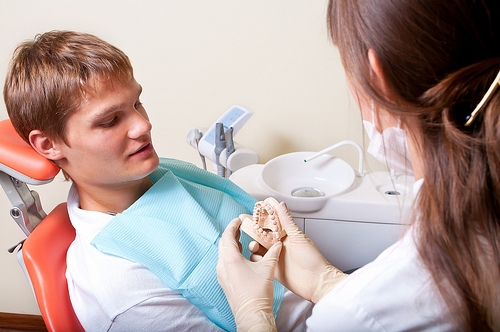
Parents usually have numerous questions about orthodontic treatment for their children. According to the American Association of Orthodontists, orthodontic treatment for children should start at around seven years of age. This allows Dr. Kathleen Tavarez to evaluate the child’s existing and incoming teeth to determine whether or not early treatment might be necessary.

What is early orthodontic treatment?

Early orthodontic treatment, known as Phase One, usually begins when the child is eight or nine years old. The goal is to correct bite problems such as an underbite as well as guide the jaw’s growth pattern. It also helps to make room in the mouth for the permanent teeth to be properly placed as they come in. This will greatly reduce the risk of the child needing extractions later in life due to his or her teeth getting crowded.

Does your child need early orthodontic treatment?

There are several ways that you can determine whether your child needs early treatment. If you observe any of these characteristics or behaviors, you should talk to Dr. Kathleen Tavarez.

  • Early loss of baby teeth (before age five)
  • Late loss of baby teeth (after age five or six)
  • The child’s teeth do not meet properly or at all
  • The child is a mouth breather
  • Front teeth are crowded (you won’t see this until the child is about seven or eight)
  • Protruding teeth, typically in the front
  • Biting or chewing difficulties
  • A speech impediment
  • The child’s jaw shifts when he or she opens or closes the mouth
  • The child is older than five years and still sucks a thumb

What are the benefits of seeking orthodontic treatment early?

Early orthodontic treatment is begun while the child’s jaw bones are still soft. They do not harden until the children reach their late teens. Because the bones are still pliable, corrective procedures such as braces work faster than they do for adults.

In short, early treatment at our Menlo Park or San Carlos, CA office often allows your child to avoid lengthy procedures, extraction, and surgery in adulthood. Early treatment is an effective preventive measure that lays the foundation for a healthy, stable mouth in adulthood.

What Your Braces Rubber Band Color Says About You

April 24th, 2023

However you may feel about having to wear braces, choosing the color of your rubber bands is sure to bring a smile to your face. Whether you want to express your creativity, coordinate your braces with your outfits, or show some serious school spirit, decorating your mouth with colorful bands takes some of the stress and self-consciousness out of wearing braces. So what do your rubber band colors say about you? Look no further than our rubber band horoscope.

Red. You’re intense and forward thinking, and that you won’t back down no matter how big the challenge. Red is also the color of the heart, so red rubber bands indicate that you’re a caring, loving person.

Blue. Blue means you’re chill – as cool as a cucumber. You’re one cool customer, as the saying goes. You’re relaxed and calm, even when your mom says you can’t chew any gum or eat popcorn because of your braces.

Green. Look at a traffic light and green means go, right? So you’re the type of person who’s always on the move. Go, go, go! It also means you’re generous and kind. Green is the color of nature and spring, so it says you love Mother Earth. Perhaps you even recycle. Green is the color of good luck.

Orange. You’re daring and wild, flamboyant and fun. Orange may indicate you’re an artist or a drama student. It says you have a big personality and that you don’t care what other people think about you. However, orange is also the color of balance and energy. And being flamboyant and fun takes a lot of energy!

Purple. You’re the creative type, for sure. You beat to a different drummer and think outside the box. It says you're mysterious. Purple is the color of royalty, and when you wear your purple rubber bands you are royally cool.

Color Combinations

What if you can’t choose just one color? Well, you can decorate your teeth with alternating colors. You can choose the colors of your favorite sports team or holiday colors like red and green. If you’re still stumped as to what colors to choose, ask Dr. Kathleen Tavarez or a member of our team. We can let you in on all the trends our other patents are sporting at our Menlo Park or San Carlos, CA office!

The Hazards of Smokeless Tobacco

April 5th, 2023

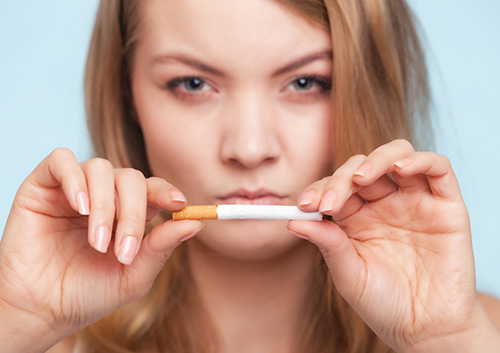
Many smokers believe that chewing tobacco is a safer alternative to smoking cigarettes. This simply isn't the case! In fact, smokeless tobacco can cause serious health concerns.

Smokeless tobacco comes in many forms and goes by many names: dip, snuff, snus, or simply chewing tobacco. Use of these products usually involves sucking or chewing on shredded or loose tobacco leaves, sometimes flavored, for a prolonged period. There are even products that emulate a dissolvable candy-like consistency which are made of compressed tobacco powder.

What are risks and smokeless tobacco?

Whichever form a tobacco product takes, the dangers of using or consuming them is very real. According to a 2007 study by the World Health Organization's International Agency for Research on Cancer, there are upwards of 28 cancer-causing chemicals in smokeless tobacco that are known to cause cancer. And these products are habit-forming just like any other tobacco product that contains nicotine. Using them will increase your risk for many serious diseases including but not limited to: cancer (especially oral and esophageal), gum and heart disease, cavities, and pre-cancerous mouth lesions.

At the end of the day, long-term use of smokeless tobacco can cause serious health issues. These products really take a toll on both your oral and overall health. They put a strain on your immune system and make it less capable of warding off infection and disease.

Dr. Kathleen Tavarez and our team strongly advise you to stop using smokeless tobacco—or any kind of tobacco product—and not to pick up the habit if you aren't. There is no safe level of tobacco use, smokeless or otherwise.

Need to quit smoking or using smokeless tobacco products?

You can and should always talk to your doctor, healthcare practitioner, or Dr. Kathleen Tavarez for help quitting. But there are many other resources available today for those who'd like to quit. The National Cancer Institute offers information, support (local and online), and tools to help smokers and smokeless tobacco users quit. They offer live online chat with cessation counselors Monday through Friday and even have a smartphone application available to help people who are serious about quitting.

You can take a look at their website at smokefree.gov or call them toll-free at 1–877–44U–QUIT (1-877-448-7848). There is also help available from your state's quit line at 1-800-QUIT-NOW (1-800-784-8669).

Make the best choice for your health and well-being; avoid the bad habit of tobacco products. If you have any questions about how tobacco related products affect your oral health and hygiene, please don't hesitate to ask one of our Menlo Park or San Carlos, CA staff members.