October 4th, 2010
 Did you know National Orthodontic Health Month? Our friends at the American Association of Orthodontists have created a helpful website that provides important information on protecting your braces, including tips for trick-or-treaters, braces-friendly recipes, facts about braces and treats you should avoid while wearing braces.
Dr. Kathleen Tavarez and our staff recommend you check out the AAO's website as well for helpful tips on keeping your braces in tip-top shape. If you have any follow-up questions, please feel free to give us a call, ask us on Facebook or ask Dr. Tavarez during your next visit!
September 27th, 2010

Great question! Dr. Kathleen Tavarez will tell you that braces were originally considered to be best appropriate for teenagers. But these days, we know that kids as old as seven are beginning their orthodontic treatment. Because preadolescent kids are typically not self-conscious, our pals at the American Association of Orthodontists suggest it could be a good idea to start early.
Experts, on the other hand, say it depends on the treatment required. Some children who get braces at an early age end up in a second phase of treatment, and end up having braces well into their teenage years despite starting young.
Most orthodontic treatment typically begins between ages nine and 14, and our friends at the AAO estimate most orthodontic treatment lasts from one to three years, with two years being the average. It’s important, however, that children be screened no later than age seven for Dr. Tavarez to assess what the best age for treatment is.
We hope this helps! Give us a call if you have any questions about your child’s treatment! Happy Monday!
September 17th, 2010
There are a variety of foods Dr. Kathleen Tavarez wants you to avoid while you're wearing braces. Some foods can occasionally damage braces, but certain foods can bend the wires or even break the brackets on your braces! If you’re wearing braces, you should avoid starch, sugar and gummy foods, as these foods can be difficult to remove during brushing. Foods that are high in sugar and starch tend to cause plaque, cavities and even tooth decay.
Avoid tough meats, hard breads and raw vegetables such as carrots and celery. Before long, you'll be able to bite a cucumber again. But you'll need to protect your orthodontic appliances when you eat for as long as you're wearing braces.
Foods you should definitely avoid:
• Chewy foods: bagels, hard rolls, licorice
• Crunchy foods: popcorn, ice, chips
• Sticky foods: caramels, gum
• Hard foods: nuts, candy
• Foods you have to bite into: corn on the cob, apples, carrots
• Chewing on hard things (for example, pens, pencils or fingernails) can damage the braces. Damaged braces will cause treatment to take longer.
If you have any questions on which foods you should be avoiding and why, we invite you to give us a call or ask our staff during your next visit! We also encourage you to check out this helpful article on eating with braces, courtesy of Parenthood.com.
Enjoy the weekend :)
September 10th, 2010

This month, our staff at Tavarez Orthodontics want you to be extra careful with your braces and appliances. After all, September marks the start of fall sports and an increased risk to mouth injuries. September also happens to be National Childhood Injury Prevention Month, and Dr. Kathleen Tavarez thought it’d be a good idea to share a few sobering facts about sports and facial injuries, courtesy of our friends at the American Association of Orthodontists.
*More than half of the seven million sports and recreation-related injuries that occur each year are sustained by youth between ages 5 and 24. Collision and contact sports have higher injury rates—baseball, soccer, basketball and football account for about 80% of all sports-related emergency room visits, according to the Centers for Disease Control and Prevention.
*Sixty-seven percent of parents say their child does not wear a mouth guard, yet, 70 percent say their biggest fear when their child plays is that they will get hurt.
*Of the parents whose children do not wear a mouth guard, 84 percent say it's because the league or coach does not require it, according to the AAO.
*The average high school baseball pitcher can throw a fast ball between 75-to-85 miles per hour. This compares to being hit in the mouth by a speeding car!
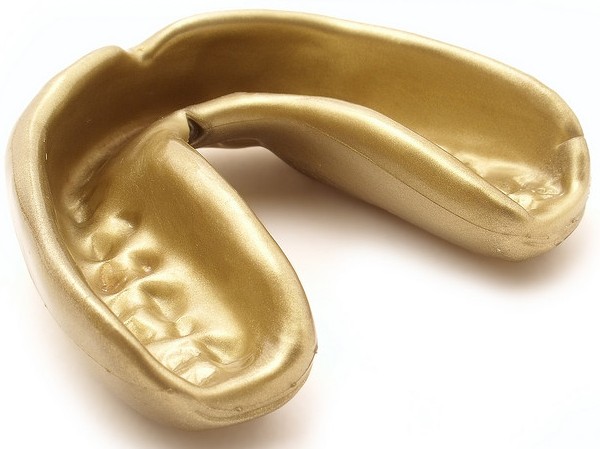
We hope this helps you remember to wear a mouth guard and other forms of protective gear when participating in fall sports! We encourage you to give us a call if you have any questions about mouth protection! We hope you have a great weekend!



 Did you know National Orthodontic Health Month? Our friends at the American Association of Orthodontists have created a helpful website that provides important information on protecting your braces, including tips for trick-or-treaters, braces-friendly recipes, facts about braces and treats you should avoid while wearing braces.





 Website Powered by Sesame 24-7™