Our Blog

Find Out how Your Diet can Cause Cavities

June 21st, 2017
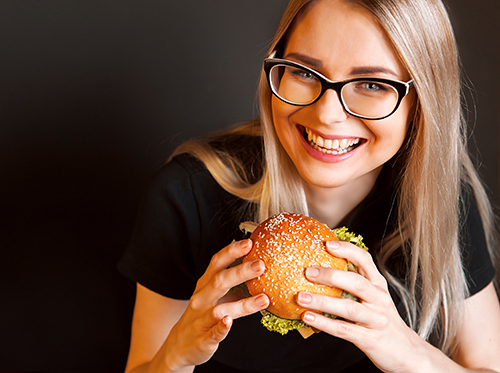
Sometimes food that’s good for your body isn’t necessarily the best for your teeth. Dr. Kathleen Tavarez and our team want you to know which healthy foods can harm your teeth and gums, and what steps you can take to continue enjoying these foods, even when you’re dieting.

When you begin to substitute empty calories with whole foods, make sure you also remember to focus on your dental health. The majority of people tend to switch out sugary foods in favor of fruits and vegetables when they diet.

It’s worth knowing that most fruits are highly acidic and composed of natural sugars. Some of the highly acidic fruits to watch out for include apples, grapes, strawberries, pineapples, blueberries, oranges, and grapefruit. Moderation is key here, as with all other things. Fruits can be a great source of energy to help you through your day, but try not to overdo them.

Often, people also incorporate more leafy greens into their diets, which mean plenty of salads. Salad dressing is another item you’ll want to watch out for. Many dressings are filled with vinegars and sweeteners that include harmful acids, which change the pH of your mouth. When your mouth shifts from alkaline to acidic, your smile also turns to a higher risk for erosion and decay.

Rather than get rid of these foods altogether, simply change what you do after you eat them. Rinse your mouth out with water, brush your teeth, or eat alkalizing foods after consuming these acidic foods. Healthy alkalizing foods include dairy products such as eggs and yogurt, or any type of vegetable.

If you have questions regarding your current diet and its effect on your oral health, please contact our Menlo Park or San Carlos, CA office and speak with a member of our staff. If you’ve begun to make changes in your diet toward a healthier lifestyle, we hope these tips can help your make positive changes to your oral health. Our team at Tavarez Orthodontics wants a healthy lifestyle to be a top priority in your life.

Bottled Water: Friend or Foe?

June 14th, 2017

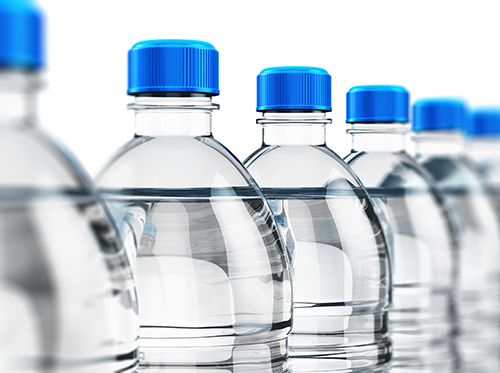
Some people choose bottled water over tap because they think it’s cleaner. Some do it out of convenience: It’s easy to grab a bottle of water to take with you for the day as you run out the door or hop in your car.

Whatever the reason, bottled water has been coming in ahead of tap water for the last couple of years. What many people may not know is that choosing bottled water over tap can actually be detrimental to your dental health.

Most brands of bottled water fail to include a vital ingredient: fluoride. Fluoride plays an important role in helping maintain good oral health because it helps strengthen our teeth. Stronger teeth mean a lower chance of tooth decay, and who doesn’t want that?

When we choose bottled water over tap water, we deprive our pearly whites of something they might very well need.

The good news is that the American Dental Association has endorsed both community water fluoridation and products that contain fluoride as a safe way to prevent tooth decay. If bottled water happens to be the preference for you or your family, you don’t necessarily have to force everyone to start drinking tap water.

Just check the label and make sure the brand you purchase contains fluoride.

It’s essential to remember that switching up the water you drink isn’t going to put you on the fast track to perfect teeth, though. Flossing and brushing three times a day is vital!

If you have any questions about fluoride or your dental health, don’t hesitate to ask Dr. Kathleen Tavarez at our Menlo Park or San Carlos, CA office!

Don't forget your retainer this summer!

June 7th, 2017

As we start our summer, our team at Tavarez Orthodontics wants to remind our patients who have completed treatment that it is very important to wear your retainer as prescribed even while away for vacations and summer camps.

If you are away from home and only wearing your retainer at night, here is a helpful tip: after removing and brushing your retainer in the morning, place it back in the case and then put it with your PJ’s or on your pillow. That way you have a reminder to put your retainer back in at night.

Remember, retainers should be worn every night, not just some nights.

We wish you safe travels and adventures this summer!

Snacks for Healthy Teeth while Watching the Big Game

May 31st, 2017

It's almost game day and you're wondering what to put on the menu for your guests. Most snacks are typically highly processed and unhealthy. Why not mix it up this year and opt for some snacks that promote good oral health? Here are some of Dr. Kathleen Tavarez favorites!

  • Apples, carrots, celery, and cucumbers: These foods and other crispy, fibrous, fruits and vegetables are an excellent choice for the big game. Not only are they rich in vitamins and minerals which your body and mouth need, they are also known as detergent foods because of the cleaning effect they have on the teeth and gums. Try apples wedges spread with peanut butter and sprinkled with cinnamon.
  • Beans: Beans are filling because they are packed with fiber and that keeps you from opting for sugary or fatty snacks. Along with fruits and vegetables, beans should be one of the stars of your game-day snack lineup. How about some hearty chickpea hummus with cucumber chips?
  • Nuts like almonds, walnuts, pistachios, and cashews: Nuts abound in the minerals that help keep your teeth and gums strong like calcium, magnesium, and potassium. Put out a bowl of raw or roasted nuts for your guests as a crunchy, satisfying alternative to chips or crackers. Recent research even shows that the polyunsaturated fatty acids in nuts may help prevent gum disease. But remember not to eat the whole bowl! Nuts are very high in calories and a little goes a long way. Enjoy and handful or two along with your other healthy snacks.
  • Dark chocolate: This one may be hard to believe at first, but research shows chocolate can be great for your teeth and help prevent decay! Now don't run off and start stocking your pantry with a bunch of that super sweet stuff, because these benefits come mainly from the tannins, polyphenols, and flavonoids present in the cacao bean. Dark chocolate is the least processed variety of chocolate and the closest to the cacao bean, so make sure you purchase a variety that is listed as 70% cocoa or more for these benefits. Like with nuts, chocolate is easy to overdo — aim to eat two or three squares.