Our Blog

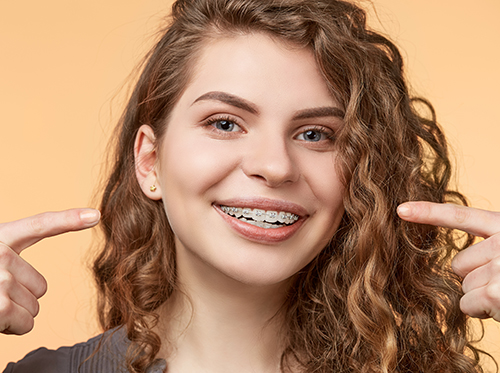
Tips for Caring for Your Braces at School

September 6th, 2017

School can present a few issues when it comes to caring for your braces and mouth, since you won't have the luxury of the time and tools you have at your disposal while you're at home. But if you head to school prepared, you shouldn't have any trouble keeping your braces and mouth in great shape. Below is a list of helpful tips to care for your braces throughout the entire school year.

  • Bring a kit that includes all of your oral health care items. This is a seriously smart thing to do and probably the most important of all the tips. Pack things like a toothbrush, floss, wax, retainer case (if needed), a mirror, a small cup for rinsing, a small bottle of water (if you don't already have some water with you), and some OTC pain medicine or a natural pain remedy. Keep the kit in your locker or backpack. Having all these items on hand will save you a lot of trouble and discomfort, and also ensure you don't have anything unsightly stuck in your braces or teeth!
  • Take advantage of breaks and lunchtime. After eating lunch is a great time to pop into the restroom and give your braces and teeth a once over to make sure you don't have any food debris caught in them and to tend to any sore spots. If you've just had your braces adjusted, you may have soreness on your gums or cheeks. This is where the wax you packed will come in handy.
  • Eat the right food for your braces. Avoid all the foods that wreak havoc on your braces like gum, candy, popcorn, hard chips, apples which aren't cut into wedges, nuts, beef jerky, ice, etc. You know the foods we're talking about; you've heard it enough already. Steering clear of these foods will help you prevent any possible mishaps with your braces, like breaking a bracket or wire, which is the last thing you want happening at school.

If you follow these tips and also keep up on your oral health routine at home, you'll be maximizing the effectiveness of your braces and making them as comfortable as possible. Do you have questions about caring for your braces during the school day? Ask Dr. Kathleen Tavarez or anyone in our Menlo Park or San Carlos, CA office and we'll gladly help you out!

If You Love Us, Let Us Know!

August 30th, 2017

Your feedback is very important to us at Tavarez Orthodontics. We always want to make sure that our practice is meeting its full potential, so whether you’ve visited Dr. Kathleen Tavarez once or been a loyal patient throughout the years, we encourage you to share your thoughts about your experience with us!

You can do this easily by giving us a review on our Facebook page or writing down your comments below. If you feel more comfortable, you’re always welcome to give our Menlo Park or San Carlos, CA office a call, too! We feel fortunate to have you all as patients and look forward to reading all your feedback!

Foods can Wreak Havoc on Your Enamel

August 23rd, 2017

It’s possible to develop tooth decay even when you take great care of your teeth. Brushing and flossing may not be enough to keep your teeth healthy, depending on your diet. Cavities, discoloration, and decay are still possible when certain foods feature in your daily intake. Keep an eye out for foods that will damage your enamel and cause the very issues you’ve been trying to avoid.

What causes enamel damage?

Tooth enamel is the hard outer layer of your teeth that is made of various minerals. Tooth decay results when the acids in your food react with the minerals in your enamel. Strongly pigmented foods may also cause unsightly discoloration on the surface of your teeth. Avoid wreaking havoc on your beautiful smile by identifying the foods that can harm your enamel.

Acid

Acidic food is your teeth’s worst nightmare! This is the greatest cause of enamel damage, even if you brush and floss regularly. To avoid damaging your teeth, make sure you can determine whether a food is acidic or not.

The pH levels are a way to determine acidity on a one-to-seven scale. This defines the relative acidity or alkalinity of a food or substance. Foods with high pH levels are not as likely to harm your enamel.

It’s wise to avoid or minimize foods that are high in acids. Highly acidic food can include fruits such as lemons, grapefruit, strawberries, grapes, and apples. Moderately acid foods may surprise you; they include tomatoes, maple syrup, pickles, and honey.

Not surprisingly, eggs and dairy products such as milk and cheese contain the least amount of acid. Red wine and coffee can also discolor your enamel if they’re drunk in excessive amounts.

What can I do to prevent enamel damage?

There are plenty of ways to avoid discoloration and decay of your enamel. The best thing to do is limit the amount of high-acid foods, including sugary juices and soda, in your diet.

Another way is to brush and floss regularly, an hour after each meal. If you can’t make time to brush, an easy solution is to swish your mouth with water or mouthwash to rinse away any leftover acidic particles.

Damaged tooth enamel may be common, but is avoidable when you know which foods to stay away from and the steps to take after you do eat highly acidic foods. Take our advice and you’ll be sure to slow down any future discoloration and decay that happens in your mouth.

For more advice on protecting your enamel, give our Menlo Park or San Carlos, CA a call to learn more!

Importance of Oral Hygiene with Braces

August 16th, 2017

15.00

Normal
0

false
false
false

EN-US
JA
X-NONE

/* Style Definitions */
table.MsoNormalTable
{mso-style-name:"Table Normal";
mso-tstyle-rowband-size:0;
mso-tstyle-colband-size:0;
mso-style-noshow:yes;
mso-style-priority:99;
mso-style-parent:"";
mso-padding-alt:0in 5.4pt 0in 5.4pt;
mso-para-margin:0in;
mso-para-margin-bottom:.0001pt;
mso-pagination:widow-orphan;
font-size:12.0pt;
font-family:"Cambria",serif;
mso-ascii-font-family:Cambria;
mso-ascii-theme-font:minor-latin;
mso-hansi-font-family:Cambria;
mso-hansi-theme-font:minor-latin;}

Proper oral hygiene techniques are always worthwhile, but they are especially crucial when you’re wearing orthodontic appliances such as braces. When you don’t maintain an effective oral hygiene routine, you can be more susceptible to gum disease as well as tooth decay, cavities, decalcification, discoloration, and/or staining of the teeth.

Braces themselves don’t cause these issues, but since they create spaces that are difficult to clean, they provide extra sources of food (dental plaque and food debris) for the bacteria that do. Bacteria create a biofilm on the surface of a tooth that can spread if not addressed. That bacteria food can only be removed by a mechanical action: brushing and flossing your teeth!

Here’s a list of smart hygiene steps to follow for the duration of your braces treatment:

Proper tooth brushing technique: Make sure to brush your teeth thoroughly (for a total of about two minutes), but not too hard. Point the head of the toothbrush at the gum line and brush just hard enough so that you feel slight pressure against the gums. Use a soft, small-headed toothbrush or an electric toothbrush if you’d like. Try your best always to clean on and around every tooth, bracket, and wire in your mouth!

Flossing: Braces can make flossing a chore, but it’s an essential adjunct to proper tooth brushing. Make sure to floss between all your teeth and brackets. Dr. Kathleen Tavarez can provide you with braces floss threaders and interproximal toothbrushes (small brushes used to clean areas under wires and between brackets) to make the task easier. You might also consider purchasing an oral irrigator that uses a stream of water to blast food particles and debris from between teeth and gums.

Rinse with water: This may sound slight, but it’s a good idea, especially if you aren’t able to brush. Rinsing your mouth with water throughout the day helps to dislodge the decay-causing food particles that become lodged in braces.

Hygiene away from home: It’s a good idea to have a kit with a toothbrush, floss, floss threaders, mirror, and small water cup on hand at school or work. That way, you’ll be sure to have all the tools you need to keep your mouth clean.

Regular professional cleanings: As always, it’s best to visit your dentist regularly to verify everything in your mouth is in order and your oral hygiene routine is effective. Twice a year is sufficient, unless the dentist recommends more frequent visits.

It's vital to keep your teeth and gums clean during your braces treatment, and that requires your care and attention. If feel like you need help with any of the techniques above, a member of our Menlo Park or San Carlos, CA team can demonstrate them for you!